Navigating Licensing Requirements for Progressive Prize Pools in App-Based Interactive Sessions Under British Oversight
Jordan Patterson · Aug 30, 2026
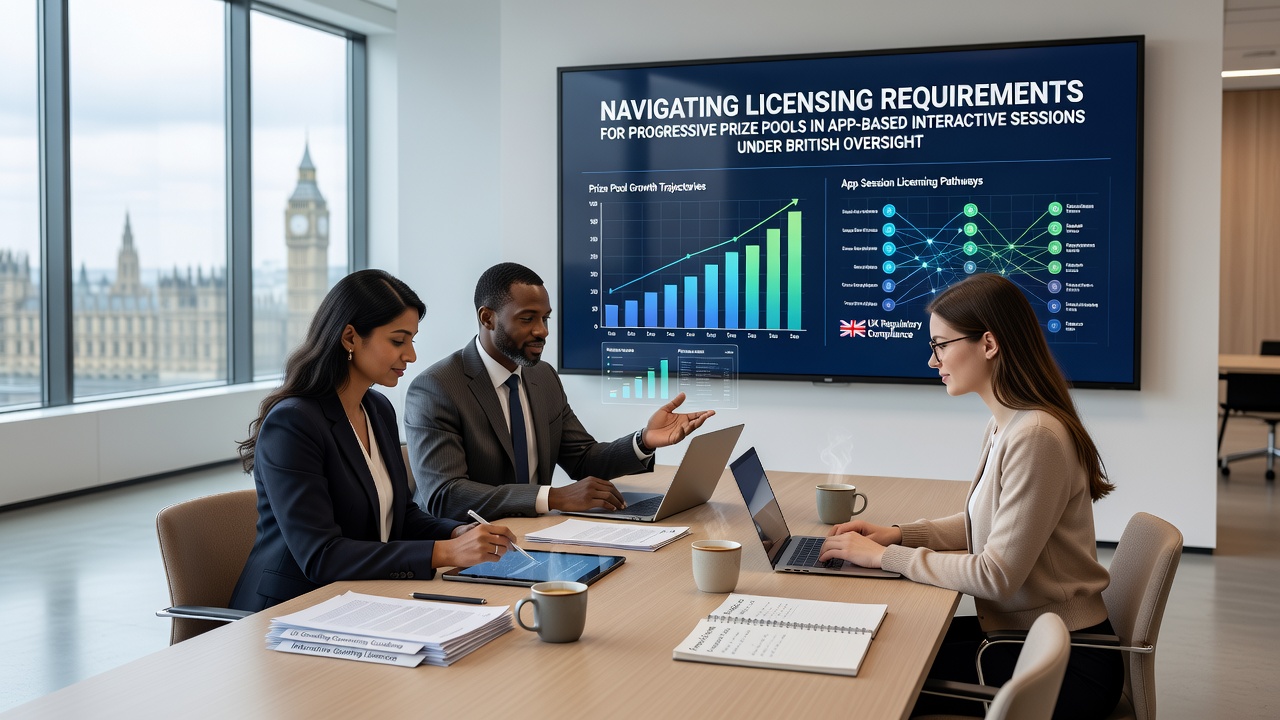
Navigating Licensing Requirements for Progressive Prize Pools in App-Based Interactive Sessions Under British Oversight
Progressive prize pools have become central to app-based interactive sessions across British markets, where operators must balance growing player engagement with strict licensing protocols that govern how these accumulating jackpots form, transfer, and pay out, and regulatory frameworks require detailed documentation of seed funding, contribution rates, and cross-jurisdictional pooling arrangements that often span multiple app platforms simultaneously.
Core Elements of Progressive Prize Pool Structures
App developers and operators handle progressive systems by linking multiple interactive sessions so that a percentage of each wager feeds into a shared pool, and this mechanism demands precise tracking software that records every contribution in real time while meeting audit standards set by British oversight bodies. Licensing applications typically require operators to demonstrate how prize pools reset after major wins, how minimum guarantees are maintained, and how funds remain segregated from operational accounts to prevent commingling that could trigger compliance reviews.
App-Based Sessions and Their Regulatory Demands
Interactive sessions delivered through mobile applications introduce additional layers because location verification, age gating, and transaction logging must align with British standards that emphasize consumer protection during live prize accumulation, and developers often integrate geofencing tools alongside encrypted ledgers that capture every incremental addition to the pool. Those who manage these systems must submit technical specifications showing how the app prevents unauthorized access to pool data and how it handles network interruptions without losing contribution integrity.
Pathways to Licensing Under British Frameworks
Operators seeking approval for progressive features begin by submitting comprehensive business plans that outline pool mechanics, anticipated growth trajectories, and contingency procedures for pool shortfalls, while British authorities evaluate whether the proposed software architecture supports transparent reporting and independent verification by third-party auditors. Applications frequently include diagrams of fund flows, sample payout calculations, and evidence that the system can accommodate future regulatory changes scheduled for implementation in August 2026.
Observers note that licensing timelines can stretch several months because reviewers scrutinize every algorithm governing random number generation and pool distribution to confirm fairness across all participating apps.
Compliance Requirements and Documentation Standards
Successful license holders maintain ongoing records that include daily pool balances, contribution percentages, and player eligibility lists, and these documents must be available for inspection without advance notice. Operators also prepare annual compliance statements that detail any pool transfers between different app environments and explain how British oversight principles continue to govern those movements even when sessions involve international participants.
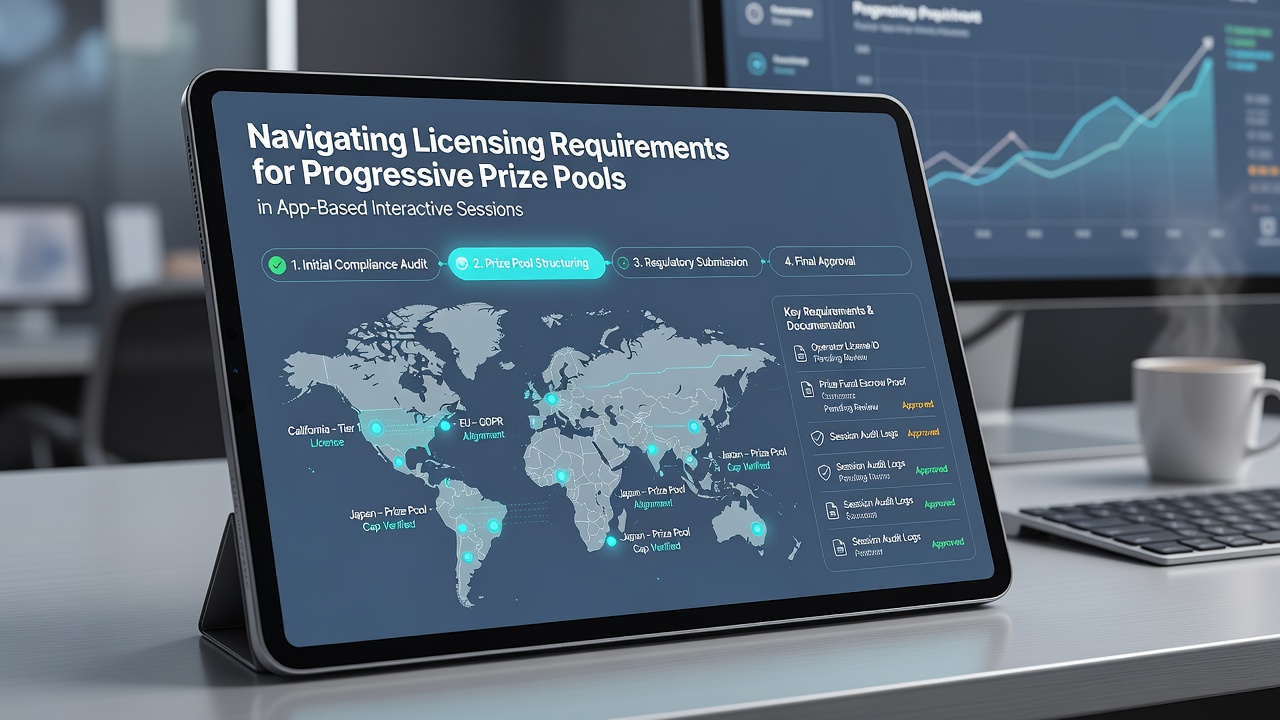
Research from the Canadian Gaming Association indicates that similar progressive structures in other regions have prompted operators to adopt unified reporting platforms that simplify cross-border audits, and British applicants increasingly reference these models when designing their own documentation packages. Data shows that thorough preparation at the application stage reduces the frequency of post-licensing queries regarding pool integrity and payout verification.
Technical and Operational Considerations
App-based environments require robust server infrastructure capable of handling simultaneous contributions from thousands of sessions, and licensing conditions often stipulate redundant backup systems that preserve pool values during outages. Operators must also demonstrate how they will communicate pool status to players through in-app notifications that update without lag, ensuring transparency remains consistent with British oversight expectations around information accuracy.
Conclusion
Navigating licensing for progressive prize pools in app-based interactive sessions under British oversight involves coordinated attention to technical architecture, documentation rigor, and ongoing compliance monitoring that together support secure and transparent operation of accumulating jackpots. Those who prepare detailed submissions addressing seed funding, contribution tracking, and future regulatory updates position their applications for smoother review processes, while established license holders continue refining systems to maintain alignment with evolving standards.